Enhance Your Outdoor Living: Cutting-Edge Deck Designs From Professional Deck Specialists
Modern outdoor deck layouts can significantly improve a backyard's functionality and appeal. Professional contractors recognize the value of balancing beauty with utility. From choosing quality materials to adding key features, every detail matters. Homeowners are increasingly interested in developing zones perfect for entertainment and relaxation. As homeowners evaluate their choices, the scope of enhancement is evident, prompting a closer examination of how to build their ultimate backyard escape.
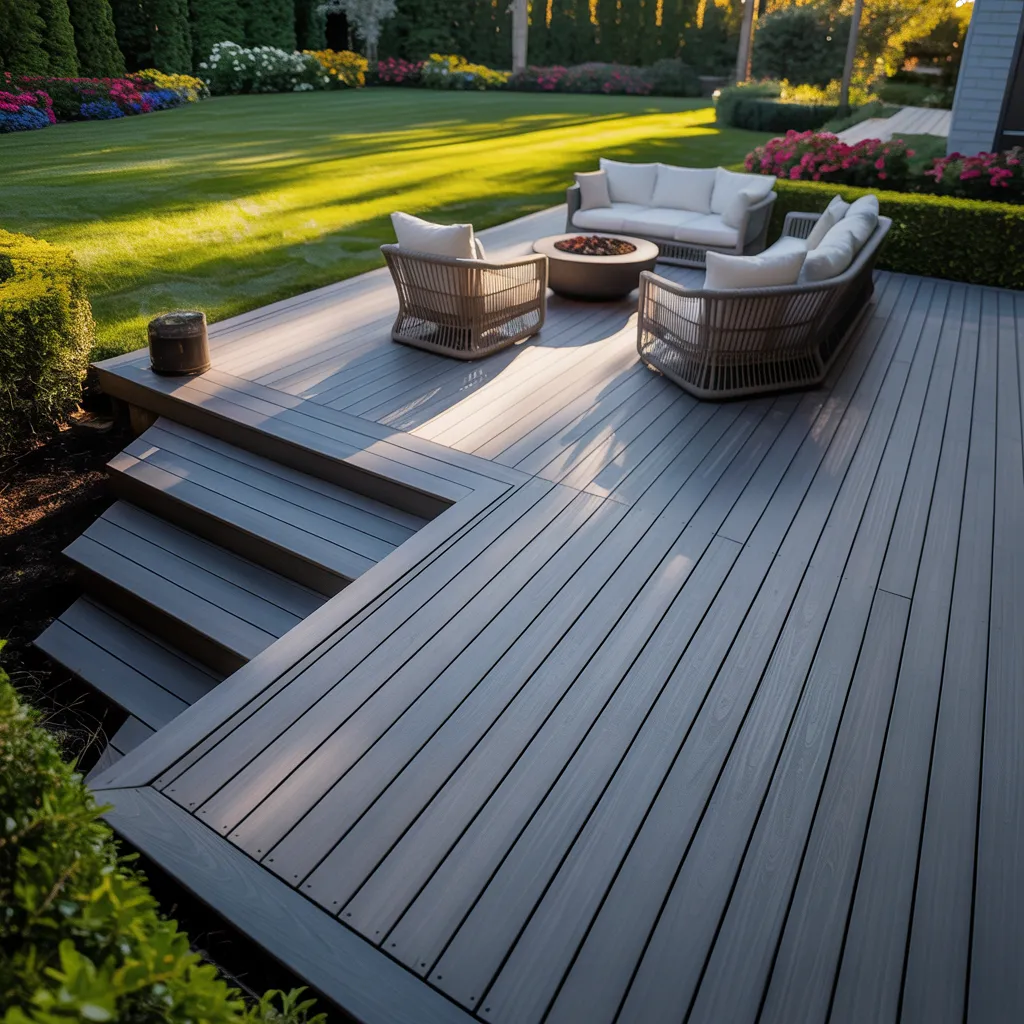
Picking the Perfect Materials for Your Dream Deck
When selecting materials for a perfect deck, homeowners often evaluate both appearance and longevity. The material choice heavily affects the general aesthetic and longevity of the deck. Wood, particularly redwood and cedar, delivers a classic appeal with natural beauty but requires regular maintenance to avoid deterioration and weather-related harm. Composite materials, on the other hand, present a modern alternative, combining wood fibers and plastic for a minimal-upkeep solution that resists fading and splintering.
Aluminum and PVC are also becoming popular because of their durability and ability to withstand the elements, rendering them an excellent option for homeowners looking to minimize upkeep. Color and texture are key factors in visual appeal, since homeowners seek to establish a harmonious appearance that suits their outdoor living space. In the end, choosing the appropriate materials requires finding a balance between personal taste and practicality, resulting in a deck that is both aesthetically pleasing and long-lasting.
How to Choose a Modern Deck Style That Inspires
Choosing a modern deck style calls for thorough assessment of space requirements, material selections, and prevailing design trends. Through assessing the usable area, homeowners can establish the most suitable design and features to enhance usability. Considering a range of materials and remaining aware of evolving trends assures the deck not dive in only enhances the home but also promotes creativity and pleasure.
Assess Your Space Requirements
To design a contemporary deck that genuinely captivates, it's essential to first assess the available space. Homeowners are encouraged to start by gauging the size of their backyard, identifying obstacles including trees, uneven terrain, or pre-existing structures. This process aids in defining the ideal dimensions of the deck, making sure it enhances the surroundings without dominating them. Moreover, reflecting on the desired function of the deck—whether for entertaining, relaxation, or gardening—can influence its design and layout. Understanding how sunlight and shade interact within the space is also essential; it determines the ideal positioning and the overall mood. At its core, a detailed analysis of spatial considerations sets the stage for a purposeful and beautiful contemporary deck.
Discover Material Choices
While exploring available materials, homeowners can strongly affect the appearance and lasting quality of their new deck design. Choosing appropriate materials is essential for balancing aesthetic appeal with durable performance. Common options feature composite decking, which blends wood fibers with recycled plastic for a hassle-free alternative that withstands rot and color fading. Natural wood, such as cedar or redwood, provides classic elegance but demands consistent upkeep to protect against the elements. Furthermore, aluminum decking delivers a clean, contemporary appearance and is highly resistant to corrosion. Homeowners should also consider eco-friendly options, including reclaimed wood or eco-conscious materials, to enhance their deck's appeal while lowering their environmental impact. In the end, the selection of materials sets the foundation for an welcoming exterior retreat.
Review Current Design Trends
Picking the ideal materials sets the stage for uncovering the latest design trends in modern decks. Designers emphasize clean lines and minimalistic aesthetics, frequently integrating natural materials such as wood and stone. Open-concept configurations stay in high demand, effortlessly merging interior and exterior areas. Multi-level decks allow for distinct areas, promoting versatility and functionality. Moreover, the integration of inventive lighting designs improves the evening mood, while environmentally conscious materials highlight a rising emphasis on green living. Color schemes have transitioned toward natural earth tones and soft pastels, cultivating a peaceful and relaxing ambiance. Integrating smart technology, such as automated lighting and weather-resistant features, is also on the rise. By adopting these design directions, homeowners can craft remarkable outdoor retreats that transform their backyards.
Deck Layout Ideas That Save Space in Small Backyards
In what ways can homeowners optimize their outdoor living space within a compact backyard? Creative deck solutions can convert restricted spaces into practical outdoor sanctuaries. One effective approach is to utilize multi-level decks, which can create distinct zones for relaxation and dining without overwhelming the space. Adding integrated seating around the edges can enhance usability while preserving valuable floor space.
An additional option is to choose a corner deck, which utilizes frequently neglected areas and can boost privacy. Folding and space-saving furniture can also be a great asset, allowing homeowners to adapt their space as needed.
Lastly, try adding vertical design features, like wall planters or hanging lights, to encourage the eye to travel upward, creating an illusion of more space. By putting these space-maximizing ideas into practice, homeowners will benefit from a stylish and efficient outdoor area without experiencing a confined feel.
Add Built-In Features That Enhance Your Deck's Functionality
Boosting deck usability can be attained through the integration of custom-installed features that address diverse needs. Integrated seating is a favored choice, offering ease and making the most of space without the need for additional furniture. Furthermore, integrated storage solutions, such as seating with built-in hidden storage, can work to maintain the deck tidy and well-ordered.
Another functional enhancement is the incorporation of a custom grill or outdoor cooking area, which turns the deck into a gourmet gathering space, ideal for hosting guests. Moreover, including planters or vertical gardens not only adds aesthetic appeal but also fosters a sense of connection with the natural environment.
These attributes not only boost usability but also develop a cohesive design that blends seamlessly with the overall landscape. By carefully incorporating these integrated elements, homeowners can build a deck that acts as a flexible expansion of their living area, customized to their lifestyle and tastes.
How to Light up Your Deck With Accessories
Incorporating lighting accessories can transform a deck into a inviting after-dark haven. Creative illumination choices, paired with useful enhancements, boost both security and atmosphere. By discovering different options and configurations, deck owners can create a stunningly lighted open-air environment.
Unique Lighting Solutions
A range of innovative lighting solutions can transform a rear deck into a charming outdoor sanctuary. Strand lights, draped elegantly overhead, produce a soft, inviting environment, ideal for outdoor get-togethers. Solar-powered lanterns, arranged carefully along the border, deliver a delicate shine while fostering green living. For a modern touch, embedded lighting can be fitted into steps or beneath railings, boosting safety without sacrificing style. In addition, spotlight lighting showcases design elements or foliage, adding visual appeal. LED band lights running along the deck's edges offer a modern touch, while compact fire pits bathe the area in a welcoming light. As a whole, these alternatives permit homeowners to tailor the lighting on their deck, establishing a calming space for unwinding and gatherings.
Useful Accessory Suggestions
Creative lighting options enhance the atmosphere of a residential deck, but practical accessories can greatly improve its utility and character. Including versatile furniture pieces, such as storage benches, maximizes space by offering seating and organization. Durable outdoor cushions and blankets can provide coziness, ensuring the deck remains inviting. Moreover, including side tables with integrated coolers provides convenient access to beverages at social events. A carefully chosen outdoor area rug can designate specific zones, fostering a comfortable and inviting setting. For individuals who appreciate alfresco dining, a portable grill or outdoor kitchen island can convert the deck into a gourmet cooking space. These additions not only improve usability but also establish a refined and harmonious outdoor retreat.
Security and Ambiance Suggestions
Strategic lighting is fundamental to boosting both functionality and aesthetics on a backyard deck. Carefully positioned lights help brighten pathways, steps, and seating areas, lowering the likelihood of incidents during after-dark entertaining. Contractors suggest installing energy-saving LED fixtures for durability and reduced power consumption. Ambient lighting, such as string lights or lanterns, creates a warm atmosphere, well-suited for leisure and social gatherings. Installing focused lighting around barbecue or meal areas provides practicality and protection during late-night cooking sessions. Moreover, installing automated lighting solutions empowers homeowners to fine-tune brightness and tone, greatly improving the deck's overall decorative impact. By combining safety features with decorative elements, a well-lit deck transforms into a welcoming outdoor space.
Integrating Greenery Into Your Deck Design
Although many homeowners prioritize the design and materials of their outdoor decks, adding greenery can convert an outdoor space into a beautiful haven. Professional deck builders advise integrating an assortment of plants to enhance the aesthetic appeal and create a sense of tranquility. Hanging planters, vertical gardens, and built-in planter boxes can make the most of available space while bringing rich layers of color and texture.
Beyond their decorative benefits, plants can supply natural shade and boost air quality. Opting for native plants that thrive in the local climate ensures long-term sustainability and minimizes upkeep. For a unified aesthetic, property owners can choose planters and containers that match the deck's style.
Thoughtfully positioning plants alongside gathering spots not only enhances comfort but also fosters a connection with nature. By carefully incorporating natural elements within deck configurations, homeowners can create an appealing outdoor setting that encourages relaxation and outdoor enjoyment.

Frequently Asked Questions
How Do I Care for My Deck Following Installation?
To keep a deck in good condition after installation, routine cleaning is necessary. Using a protective sealant yearly guards against moisture and ultraviolet damage. Inspecting for loose boards or nails guarantees safety, while promptly addressing repairs prolongs the life of the deck.
What Permits Are Required for Deck Construction?
Building a deck generally necessitates construction permits, which vary by location. Property owners are advised to contact their local building departments to identify the exact requirements, including zoning regulations, structural codes, and any necessary inspections to ensure adherence to safety standards.
Can a Deck Be Built on a Sloped Yard?
Absolutely, installing a deck on a hilly terrain is feasible. Even so, it calls for detailed preparation, suitable engineering, and potentially reinforcing supports to guarantee structural integrity and safety, in addition to following local building regulations.
What Is the Average Lifespan of a Deck?
Standard decks typically last between 10 to 30 years, based on construction materials, upkeep practices, and environmental exposure. Consistent care, such as sealing and staining, is known to substantially extend the lifespan and durability of a deck.
What Costs Should You Expect With Deck Installation?
The cost of deck installation varies considerably, generally falling between $15 and $35 per square foot. Key elements affecting costs include materials, labor, design complexity, and location, which can significantly affect the total project budget.